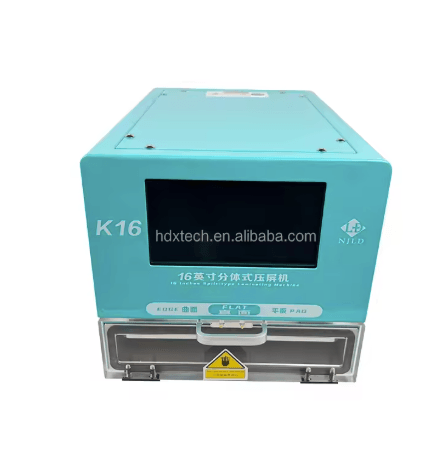
In the modern era of manufacturing and printing industries, technology is rapidly transforming how products are designed, processed, and finished. One of the most advanced innovations in this field is the digital lamination machine. This machine has completely changed traditional lamination methods by introducing smart automation, precise control systems, and highly efficient production capabilities.
Businesses today demand speed, accuracy, and premium quality in every product they produce. The digital lamination machine fulfills these requirements by combining digital intelligence with mechanical precision, making it an essential tool in modern production environments.
Understanding Digital Lamination Machine
A digital lamination machine is an advanced industrial device that applies a protective or decorative layer onto printed or non-printed materials using digitally controlled technology. Unlike conventional systems, it allows operators to control every stage of the process through digital interfaces.
These machines are commonly used to enhance paper, plastic films, packaging materials, and printed graphics. The result is a smooth, durable, and visually appealing surface that improves both product quality and lifespan.
Digital lamination systems are widely used in industries where consistency and precision are critical.
Why Digital Lamination Machine is Important
In today’s competitive business world, presentation and durability are equally important. Customers expect products that not only look attractive but also last longer under different conditions. The digital lamination machine helps industries achieve these goals efficiently.
Key importance factors include:
- Advanced automation for better control
- High-quality surface finishing
- Reduced production errors
- Faster processing time
- Improved material protection
- Consistent output quality
These features make it an essential part of modern industrial workflows.
Working Process of Digital Lamination Machine
The operation of a digital lamination machine is based on intelligent automation and precise engineering control.
Material Setup
The material to be laminated is placed into the feeding system, which automatically adjusts alignment.
Digital Configuration
Operators set parameters such as speed, pressure, and temperature using a digital control panel.
Film Application
A protective film or coating layer is applied evenly over the material surface.
Controlled Pressing
High-precision rollers apply consistent pressure to ensure perfect bonding.
Output Processing
The laminated material is cooled, stabilized, and collected in finished form.
This structured process ensures high efficiency and flawless results.
Types of Digital Lamination Machines
Different types of digital lamination machines are designed to meet various industrial needs.
Fully Automated Digital Laminators
These machines operate with minimal human input and are ideal for large-scale production environments.
Semi-Automatic Digital Laminators
These systems require partial manual control but still provide high-quality results.
Wide-Format Digital Laminators
Used for large materials such as banners, posters, and advertising displays.
Industrial Grade Digital Laminators
Designed for continuous heavy-duty production in manufacturing industries.
Each type is developed for specific operational requirements.
Key Features of Digital Lamination Machine
Modern digital lamination machines include advanced technologies that improve productivity and accuracy.
Smart Digital Interface
Allows full control of machine settings through an easy-to-use digital screen.
High-Speed Processing
Supports fast production cycles suitable for commercial use.
Precision Alignment System
Ensures accurate positioning of materials during lamination.
Automatic Pressure Adjustment
Maintains consistent bonding quality across all materials.
Energy Efficient Operation
Designed to reduce electricity usage while maintaining performance.
Real-Time Monitoring
Provides live feedback on machine performance and output quality.
Applications of Digital Lamination Machine
The digital lamination machine is widely used across various industries due to its flexibility and efficiency.
Printing Industry
Used for magazines, brochures, catalogs, and marketing materials.
Packaging Industry
Improves durability and appearance of packaging products.
Advertising Industry
Used for banners, billboards, and promotional graphics.
Corporate Sector
Used for official documents, reports, and presentations.
Educational Use
Used for charts, teaching materials, and visual aids.
Its wide applications make it a highly valuable industrial machine.
Advantages of Digital Lamination Machine
Businesses using digital lamination machines benefit in multiple ways.
High Precision Output
Ensures consistent and accurate lamination results.
Improved Efficiency
Automation reduces production time and labor effort.
Professional Appearance
Provides smooth glossy or matte finishing.
Cost-Effective Operation
Reduces waste and improves resource utilization.
Easy Handling
Simple digital controls make operation user-friendly.
Versatility
Works with different materials and production requirements.
Technological Innovations in Digital Lamination Machine
Modern machines are equipped with advanced innovations that enhance performance.
Key technologies include:
- PLC-based automation systems
- Touchscreen control panels
- Intelligent sensor technology
- Automatic error correction systems
- Smart pressure calibration
- Digital production tracking
These innovations ensure high performance and operational reliability.
Role in Modern Industry
The digital lamination machine plays a significant role in improving industrial production quality. As competition increases, businesses need advanced solutions to maintain product standards and customer satisfaction.
It helps industries achieve:
- Better product finishing
- Faster production cycles
- Improved brand value
- Higher customer engagement
This makes it a key part of modern industrial systems.
See also: Why a Smart Mattress Is Becoming Essential for Modern Sleep
Environmental Benefits
Modern digital lamination machines are designed with sustainability in mind.
Eco-friendly advantages include:
- Lower power consumption
- Reduced material wastage
- Support for recyclable materials
- Cleaner production process
- Efficient resource management
These features support environmentally responsible manufacturing.
Challenges in Digital Lamination Machines
Despite their advantages, there are some challenges:
- High initial cost investment
- Requirement of skilled operators
- Maintenance and calibration needs
- Complexity in advanced models
However, long-term benefits outweigh these limitations.
Future of Digital Lamination Machine
The future of digital lamination technology is focused on automation and smart industrial systems.
Future advancements may include:
- AI-powered production optimization
- Fully automated smart factories
- IoT-based remote monitoring
- Ultra-fast processing systems
- Advanced eco-friendly materials
These improvements will further increase efficiency and innovation.
Conclusion
The digital lamination machine is a revolutionary advancement in modern printing and manufacturing industries. It combines digital control, automation, and precision engineering to deliver high-quality, efficient, and reliable lamination results.
With continuous technological progress and growing industrial demand, this machine will remain an essential part of future production systems. Businesses that adopt digital lamination technology will benefit from improved efficiency, better product quality, and strong long-term growth opportunities.